





Как использовать реверберацию в музыке правильно
Reverb is one of the most essential tools in a producer toolkit. Get it right and your tracks breathe with clarity and depth; get it wrong and even your strongest ideas can feel muddy or distant. At PromoSound.org we are all about practical, nerdy yet accessible guidance for modern music production. In this article we will walk you through how to use reverb effectively across genres, with a focus on vocal clarity, drum punch, and instrument space. By the end you will have a repeatable workflow you can dial in on any project.
Understanding what reverb does in a mix
Reverb simulates the natural reflections that occur in a physical space. When you place a vocal in a real room, the sound bounces off walls, ceiling, and objects, giving the listener a sense of space and distance. In a studio or in a digital mix, reverb serves three main purposes:
- Create depth and sense of place
- Smooth and glue together tracks
- Add ambiance that supports emotion and genre
The challenge is to use reverb without washing out the stance of the lead vocal or the punch of the drums. A little goes a long way, and layering different reverb types is often more musical than a single heavy effect.
Common reverb types you will encounter
Here is a quick landscape of the models you will typically work with:
- Hall: Large, natural space feel. Great for verbs that need to push texture without sounding obviously artificial.
- Plate: Dense, dense reflections with smooth tails. A classic choice for vocals and snare drums.
- Room: Intimate to mid sized spaces. Useful for adding body to percussion, guitars, and keys.
- Spring: Distinctive metallic character often used in genres with a retro vibe.
- Convolution: Realistic impulse responses captured from actual spaces. Offers the most authentic sense of space but can be CPU heavy.
- Inverse or special effects reverbs: For creative moments, make something sit in a unique space or create a dramatic effect.
When you start to mix, the practical choice often comes down to whether you want a natural vibe or a more obvious stylistic color.
Key parameters you should master
To get consistent results, you need to know how to shape reverb with these controls:
- Decay time: How long the reverb tail lasts. Longer is not always better. Short to medium decay works well for vocals and drums; long decays can work for choruses or pads but may muddy the mix.
- Pre delay: The tiny delay before the reverb begins. This helps maintain vocal intelligibility by isolating the dry signal from the muddy tail.
- Size and density: These controls push the reverb model toward a larger space or a more diffuse texture.
- Early reflections vs late reflections: Early reflections give cues about the space immediately after the dry signal; late reflections spread the tail and contribute to overall wash.
- Diffusion: How smooth or grainy the tail sounds. Lower diffusion can feel tighter; higher diffusion can feel more lush.
- Tone or high cut: Rolling off high frequencies in the reverb helps prevent harsh metallic tails and keeps the vocal intelligible.
- Wet/dry balance: The mix between the processed signal and the dry signal. Subtle adjustments often make the biggest impact.
Understanding these parameters and how they interact with your project will give you reliable, repeatable results.
How to route reverb in your mix
The routing decision affects how flexible your mix will be later in the process. There are two common approaches:
Send and return (bus) reverb
- Place a reverb on an auxiliary bus and send varying amounts of signal from multiple tracks to that bus.
- Pros: Consistency across tracks; easier to control overall space; creates a cohesive mix feel.
- Cons: Can feel less flexible if individual tracks must sit differently in space.
Insert or direct with subtle parallel compression
- Some engineers insert a small reverb on certain tracks or create a parallel path with gentle compression to keep the dry signal prominent.
- Pros: Direct control over the tail of each track; can be more punchy in some genres.
- Cons: Risk of uneven space across the mix if not carefully balanced.
A practical approach for most pop and rock productions is to use a main reverb on a bus for the mix while adding light, track specific reverb on vox or special instruments to carve out space.
Layering reverb for depth and character
Layering is a powerful tool when used sparingly. Instead of one heavy reverb, you may combine two reverb types to create a more convincing space.
- Short, bright room for drums and percussive transients
- Medium size plate or hall for vocals
- A subtle ambient tail on pads or atmospheric instruments
Best practices for layering:
– Keep the wet signal blend on each layer modest (often 15-25 percent).
– Ensure the tails do not collide in the same frequency bands; use EQ to carve space for each layer.
– Use different pre delays for each layer to avoid phasing and muddiness.
Reverb on different genres and instruments
Vocals in gospel and R&B
- Use a plate or a bright hall with a tasteful amount of decay.
- Apply a short pre delay (around 20-40 ms) to preserve vocal intelligibility.
- Consider a subtle high cut to keep the vocal intelligible and warm.
Drums and grooves for reggae and ska
- A small room or plate can add presence to snare and toms without washing out the rhythm section.
- Longer tails on reverb can soften the overall groove; avoid a reverb that makes the drums feel undone.
- You can also use a separate reverb send for kick and bass to keep the low end tight.
Lo-fi hip hop and chill beats
- Heavier use of diffusion and gentler decay create a dreamy vibe.
- Convolution reverbs or tape style emulations can add character without overpowering the groove.
- Gentle micro-delays in the chain sustain a sense of space while keeping clarity.
Instrument space for guitars, keys and bass
- Guitars: A small room or plate can provide body without dominating the core signal.
- Keys and pads: Longer plate or hall tails can fill the background space, especially in breakdowns or chorus sections.
- Bass: Use a reverb that is more controlled; many engineers avoid long decay on bass but may use a tiny touch to keep the sub from sounding flat.
Practical guidelines for vocal reverb
Vocal presence is often the deciding factor in a track’s emotional impact. Here are practical steps to dial in vocal reverb properly:
- Start with a short pre delay of 20-40 ms.
- Choose a plate or a small hall as the initial sound.
- Dial decay to 0.8 to 1.5 seconds depending on tempo and genre.
- Apply a gentle high cut around 3-6 kHz to reduce harshness.
- Use a high shelf to restore some sparkle to the top end if needed.
- Set wet/dry around 15-25 percent for country style tracks, 25-40 percent for more lush singer songwriter arrangements.
- Solo the vocal and listen to the tail; then toggle in and out to confirm that the vocal remains intelligible within the mix.
Practical guidelines for processing other instruments
- Drums: Use a plate or room with a relatively short decay for the overheads; a longer decay on the snare can yield a more lush sound without overpowering the kit.
- Guitars: A light hall or room can add air; heavy plate can sound too bright for some guitar tones.
- Keys and pads: A longer plate works well here to fill the space behind the melody.
Common mistakes to avoid with reverb
- Over reverberating the mix: If the reverb is always audible, the track can become muddy and indistinct.
- Using too long decay times: This can blur transient details and reduce vocal intelligibility.
- Not using a high cut: High frequency energy in the reverb can create harsh artifacts, especially on brighter mics.
- Applying the same reverb to every track: This reduces space differentiation; layering or different reverb types on different tracks keeps the mix dynamic.
- Ignoring mono compatibility: Some reverbs do not fold well to mono, which can cause phase cancellations in club or radio playback.
- Forgetting to check wet/dry in solo versus full mix: A reverb that sounds great solo can vanish in the mix; you should always toggle in context.
A practical workflow to dial in reverb from scratch
- Listen to the rough mix and identify problem areas where space feels thin or crowded.
- Create a reverb bus and pick a primary reverb type for the mix (plate or hall for a vocal centered track; room for drums; subtle ambience for guitars and keys).
- Set a modest decay time and pre delay that preserves intelligibility.
- EQ the reverb: reduce low end to avoid muddying the mix; tame harsh frequencies above 6 kHz if needed.
- Set initial wet/dry balance around 20-30 percent for vocals and 15-25 percent for instruments; adjust later as necessary.
- Solo the vocal or instrument in context and adjust the reverb tail for balance.
- If needed, add a second reverb on a parallel path with a different character to create a layered sense of space.
- Check mono compatibility and make sure the reverb tail does not cause phase issues when collapsed to mono.
Quick tips and checklists
- Start and end with the dry signal as your reference.
- Use pre delay to preserve clarity on vocals and percussive elements.
- Use a high cut on reverb for most sources to avoid shimmering highs that distract from the main signal.
- Limit the number of distinct reverb types in a single mix; 2-3 is usually enough.
- Use automation to bring reverb in and out with sections, such as adding space during chorus or dropping space during verse.
Case studies and genre specific notes
- Gospel choirs: A combination of a plate on lead vocals and a subtle room on choir groups can create a cohesive, uplifting sound. If you have big harmonic stacks, reverb can glue them without washing out articulation.
- Reggae guitar and vocal: A small room or plate with light diffusion can give a warm, sunlit vibe. Short pre delays help keep the off beat rhythm crisp.
- Lo-fi hip hop: A slightly longer tail with low diffusion gives a dreamy vibe; keep the high end restrained to preserve the lo-fi character.
- Pop ballads: Medium to long decay with a generous plate emulation adds emotion; ensure the tail does not overwhelm the vocal mic.
Tools and plug in suggestions for different budgets
- Budget-friendly: Built-in reverb in many DAWs (like Logic, Ableton, or FL Studio) can be surprisingly capable; pair with a light EQ to shape the tail.
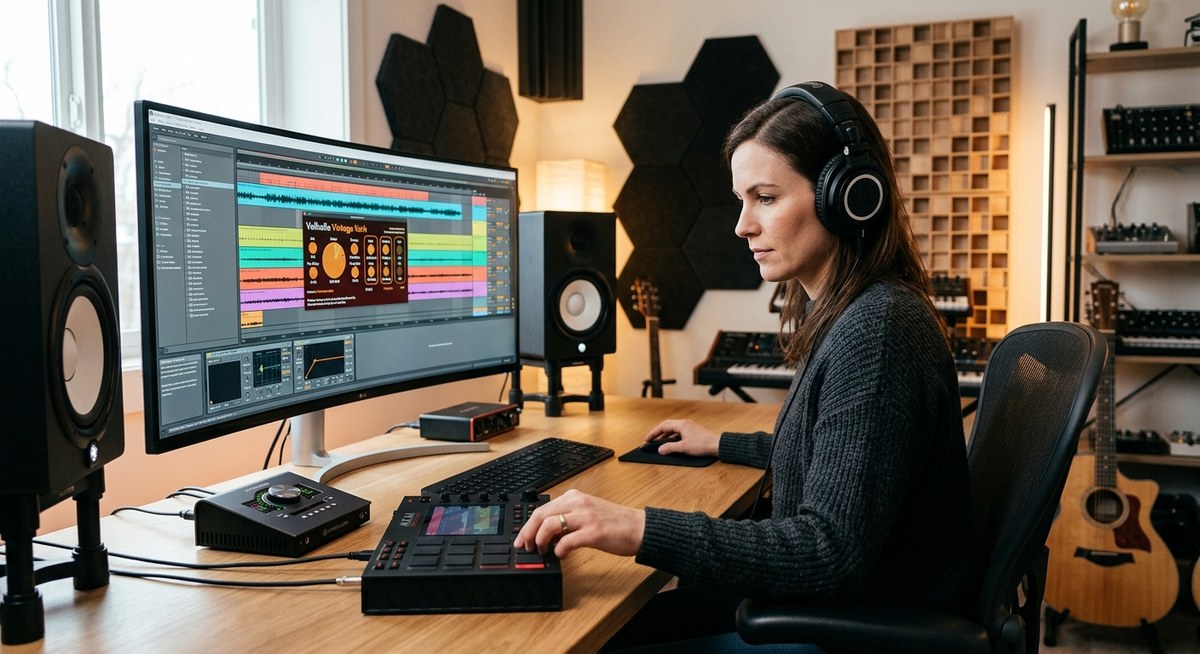
- Mid-range: Valhalla Room, Valhalla Vintage Verb, and Lexicon style emulations offer strong character and easy workflow.
- High-end: EMT 140 plate emulations, convolution reverbs from reputable brands, and high-end algorithms can provide pristine realism for costlier productions.
- Free options: Check free reverb plugins that offer multiple algorithms and flexible EQ. They can be a great starting point for students and hobbyists.
Final thoughts and takeaways
Reverb is not just an effect but a language for space in music. Used thoughtfully, it adds depth, emotion, and cohesion to your tracks. Start with clear goals for each instrument, select the right type of reverb, and tune the parameters step by step. Remember to listen in context, check both solo and full mix, and keep your reverb choices intentional rather than decorative.
PromoSound.org believes that mastering reverb is a crucial step in becoming a versatile producer. With practice, you can craft a signature sense of space across genres that supports the groove, the vocal performance, and the storytelling of your music.
Appendix: quick reference cheat sheet
- Vocals: plate or small hall, decay 0.8 to 1.5 seconds, pre delay 20-40 ms, high cut to 6 kHz
- Drums: plate on snare, room on overheads, decay 0.4 to 0.9 seconds, moderate diffusion
- Guitars: small room or plate, decay 0.6 to 1.2 seconds, gentle pre delay to keep transients intact
- Keys/pads: long plate or hall, decay 1.2 to 2.0 seconds, higher diffusion for lush texture
- Mix check: ensure wet/dry balance is comfortable in the full mix; mono compatibility is essential
If you want to dive deeper, follow the linked guides on our site for more genre specific mixing strategies, and keep experimenting with different reverb chains. Your next track could be the one where reverb finally feels effortless and musical.